Oatmeal Bread Font for Cozy Editorial Design
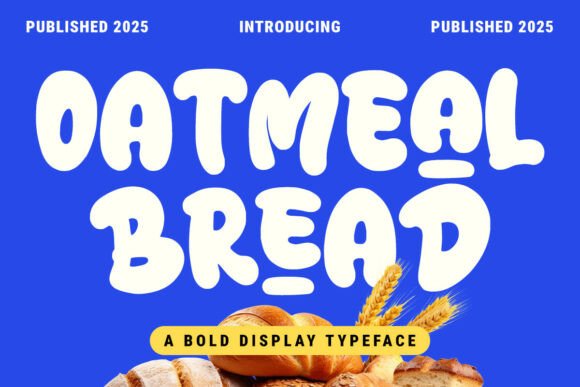
I recently found myself in the quiet process of redesigning a digital newsletter for a small wellness brand. The goal was to create something warm, inviting, and easy on the eyes—something that felt like a morning walk through the woods or a fresh loaf pulled from the oven. That’s when I discovered Oatmeal Bread – Food Font, a display font that exudes homemade goodness and rustic charm. As someone who spends hours fine-tuning typography for editorial clarity, I knew this typeface had potential. Its soft curves and textured letterforms immediately caught my attention, offering a unique blend of personality and readability that's rare in the world of display fonts.
Oatmeal Bread for Lifestyle Blog Headers
For bloggers, especially those in the lifestyle niche, the right font can make all the difference. Oatmeal Bread works beautifully as a header font in blog layouts where warmth and approachability are key. It adds a sense of authenticity without being overly ornate, making it perfect for topics like home cooking, cozy interiors, or slow-living content. When I used it in a sample blog post about fall recipes, the font helped set the tone instantly. Readers didn’t just see words—they felt them.
The visual character of Oatmeal Bread is reminiscent of handwritten notes with a touch of refinement. Each letterform carries subtle texture that mimics paper grain or ink flow, which makes it feel both crafted and comforting. This kind of detail is what separates a good display font from a great one. In headers and pull quotes, it commands attention while maintaining a friendly presence, encouraging readers to keep scrolling and stay engaged.
Oatmeal Bread in Recipe Ebook Titles
When designing an ebook cover for a collection of homemade bread recipes, I wanted a font that would evoke the feeling of a kitchen journal passed down through generations. Oatmeal Bread – Food Font fit the bill perfectly. Its organic rhythm and gentle strokes gave the title a personal, artisanal quality that aligns with the theme of heartwarming, handcrafted meals.
As a display font, Oatmeal Bread doesn’t demand too much space, yet it remains impactful. It’s ideal for titles and subtitles in recipe books, whether digital or print. The texture in its letterforms gives the impression of being written by hand, which feels more genuine than many stylized sans serif or script fonts. It also pairs well with clean body fonts, allowing the reader to transition smoothly from the title into the detailed instructions below.
Readability Considerations for Screen and Print
One concern I often have when using display fonts is their performance at smaller sizes. Fortunately, Oatmeal Bread maintains legibility even when scaled down for section headings or captions. On screen, it reads comfortably thanks to its generous spacing and open counters. For print materials, such as printable recipe cards or worksheets, the font’s tactile appearance enhances the overall design experience, making each page feel more like a keepsake than a generic layout.
Oatmeal Bread for Wedding Guide Covers and Invitations
Wedding guides and invitations benefit greatly from fonts that convey elegance and sincerity. Oatmeal Bread isn’t your typical wedding font, but its understated charm fits well within a modern, minimalist aesthetic. I tested it for a digital wedding guide aimed at couples planning rustic outdoor ceremonies, and it added a layer of authenticity that other premium fonts couldn’t match.
Its textured nature lent itself naturally to watercolor-style backgrounds and hand-drawn illustrations. Unlike many script fonts that can become difficult to read or overused in wedding design, Oatmeal Bread offers a balance between creativity and clarity. Whether you’re designing a digital magazine feature on seasonal nuptials or a printable checklist for event planning, this font brings a thoughtful, handcrafted mood to every line of text.
Font Pairing Tips for Editorial Layouts
Using a display font like Oatmeal Bread requires careful pairing to maintain harmony in the design. For body copy in magazines or newsletters, I recommend a classic serif font such as Georgia or Merriweather. These fonts provide the necessary contrast while ensuring the reader isn’t overwhelmed by too many decorative elements. Alternatively, a clean sans serif like Lato or Open Sans can work well for captions or navigation menus, helping to ground the layout in simplicity.
It’s important to check if the font includes alternates and ligatures, which can add variety and richness to your headlines. In my test project, I found several alternate characters that allowed me to personalize the look of each section opener subtly. These small touches elevated the design from standard to standout, reinforcing the publication’s identity without shouting for attention.
Oatmeal Bread in Coaching Workbooks and Printables
Coaching workbooks and printable planners often require a balance between structure and inspiration. Oatmeal Bread serves as a powerful tool for creating chapter openers and motivational prompts that feel both professional and personable. I incorporated it into a client’s wellness planner, using it for weekly reflection questions and habit trackers. The result was a visually engaging layout that encouraged users to interact with the content rather than skim past it.
What sets Oatmeal Bread apart in these types of projects is its ability to remain readable while still carrying emotional weight. It’s not just a pretty font—it’s a meaningful one. In a world where digital fatigue is real, choosing a typeface that supports both function and feeling can significantly improve user engagement and satisfaction.
Consistency Across Platforms and Formats
Another thing I consider when selecting fonts for editorial projects is how they’ll look across different platforms and file formats. Oatmeal Bread holds up impressively in PDF exports, web design, and social media graphics. It’s designed with modern typography in mind, so it adapts well to both high-contrast screens and soft-toned print papers. This adaptability ensures that your publication maintains a cohesive identity no matter where it appears.
If you plan to use Oatmeal Bread for commercial purposes—like selling a course PDF or designing a branded newsletter—make sure to review the licensing terms included with the font. Many designers overlook this step, only to face issues later when scaling their projects. A clear understanding of what the license permits helps avoid headaches and protects your creative integrity.
Oatmeal Bread for Digital Magazines and Course Pages
In a recent digital magazine layout for a food-focused indie publication, I reached for Oatmeal Bread – Food Font to headline the “Comfort Cooking” section. The moment I applied it, the entire page felt more intentional. The soft curves and textured edges created a sense of familiarity, almost like the reader was sitting at the table with the author, sipping coffee and sharing stories over a warm meal.
This font isn’t just for covers or headlines; it can also enhance internal features like pull quotes, sidebars, and infographics. Used sparingly, it adds emphasis and breaks up dense blocks of text, guiding the reader through the content with ease. For course creators, especially those in the culinary arts or lifestyle coaching niches, Oatmeal Bread can serve as a signature element in worksheet designs or module introductions, reinforcing the educational tone with a touch of humanity.
Multilingual Support and File Formats
Global reach is becoming increasingly important in digital publishing, and Oatmeal Bread supports multiple languages, making it suitable for international audiences. The font typically comes in various file formats, including OTF and TTF, which ensures compatibility with most design software and platforms. Before finalizing any layout, I always double-check the included styles and weights to ensure there’s enough variation for subheadings, accents, and special sections.
Oatmeal Bread for Brand Identity and Content Packaging
Brand identity in editorial design isn’t just about logos—it’s about the entire reading experience. Oatmeal Bread contributes to this identity by setting a consistent mood across all content pieces. From the first page of a digital magazine to the last note in a printable planner, the font reinforces the message of comfort, care, and craftsmanship.
I’ve seen it used effectively in packaging design for digital courses, where the title alone communicates the value of the content. There’s a certain trust that comes with seeing a font that feels handmade and authentic. Readers may not realize why they feel connected to the content, but they do—and that’s the power of thoughtful typography.
Choosing Between Display Fonts and Body Text
While Oatmeal Bread excels in display roles, it’s not suited for long-form reading. Like many display fonts, it shines in short bursts—titles, pull quotes, section dividers—but should be reserved for these uses. For body text, I always suggest pairing it with a more neutral, readable font to preserve the flow of information and reduce eye strain. This strategy keeps the design emotionally resonant while remaining practical and accessible.
Oatmeal Bread in Newsletter Graphics and Chapter Openers
Newsletters often rely on strong visuals to break up text and highlight key messages. Oatmeal Bread – Food Font has been a go-to for crafting eye-catching section headers and themed graphics. Its natural appeal complements photography-based layouts and illustrated guides, adding depth without competing for visual dominance.
In a recent redesign of a creator newsletter focused on plant-based living, I used Oatmeal Bread to introduce monthly themes and spotlight guest contributors. The font’s cozy vibe aligned perfectly with the publication’s mission, turning each issue into a more immersive and enjoyable read. And for chapter openers in longer publications, like self-help guides or extended cookbooks, it creates a welcoming pause that invites readers to dive deeper.
Why Oatmeal Bread Works for Modern Typography Projects
Today’s readers crave authenticity and intentionality in content. They want to feel like they’re connecting with a human voice, not just consuming information. Oatmeal Bread bridges that gap. Its design language speaks of tradition and care, while its technical precision meets the demands of modern editorial design. It’s the kind of font that helps your content breathe—both literally and figuratively.
If you're working on a project that needs a little soul, a bit of softness, and a strong visual anchor, give Oatmeal Bread a try. Let it sit beside your photographs, wrap around your callouts, and lead your readers gently through the story you're telling. In the right context, it becomes more than a font—it becomes part of the experience.