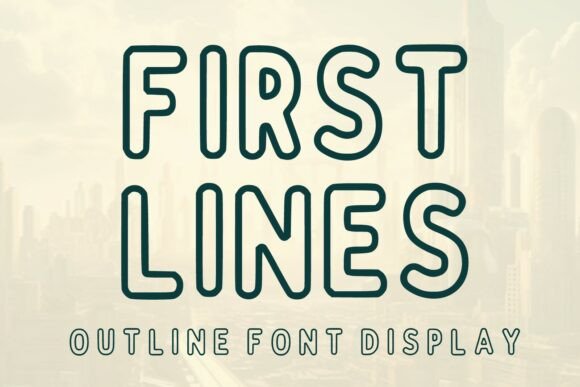
First Lines: A Modern Outline Display Font for Editorial Design
I was staring at a blank page, trying to bridge the gap between a minimalist aesthetic and the need for bold visual impact. The project was a digital coaching workbook, a space that required clarity but also demanded a touch of personality. Standard sans serifs felt too sterile, while heavy slab serifs weighed down the airy layout I envisioned. That is when I discovered First Lines. It wasn’t just another typeface; it was the missing link in my design system. This modern outline display font with bold rounded shapes and clean line strokes offered exactly the stylish, retro-modern feel I needed without sacrificing legibility or elegance.
First Lines for Digital Magazine Covers and Blog Headers
When designing a digital magazine cover or a high-impact blog header, the headline must grab attention instantly. First Lines excels in this arena because its minimalist outline style creates a striking silhouette against both light and dark backgrounds. Unlike solid fill fonts that can sometimes feel heavy or blocky on small screens, the open structure of this display font allows background imagery or subtle textures to peek through, creating depth and sophistication. I tested it as the primary title for a lifestyle feature on sustainable living, and the contrast between the thin, precise lines of the letters and the organic photography created a harmonious visual rhythm. The clean line strokes ensure that even at large sizes, the text remains crisp and readable, guiding the eye naturally across the screen.
The retro-modern vibe of First Lines taps into current design trends where nostalgia meets contemporary minimalism. It feels familiar yet fresh, making it ideal for brands looking to establish a timeless identity. Whether you are setting up a newsletter graphic or a hero image for an editorial feature, this font provides a distinctive voice that stands out in a crowded feed. Its geometric precision lends itself well to structured layouts, allowing designers to create grids and alignments that feel intentional and polished.
First Lines for Wedding Invitations and Elegant Branding
Elegance does not always require intricate flourishes or traditional calligraphy. Sometimes, simplicity is the ultimate form of sophistication. I used First Lines for a series of wedding invitation suites and found that its bold rounded shapes softened the overall look, adding warmth to the formal structure. The outline style gives the typography a delicate, almost ethereal quality, perfect for conveying romance and grace. Because the font features clean line strokes, it pairs beautifully with fine paper stocks and embossed details, ensuring that the physical print matches the digital preview.
For branding purposes, this display font offers versatility that many creative fonts lack. It works exceptionally well for boutique hotels, artisanal bakeries, or high-end fashion labels that want to communicate luxury without appearing ostentatious. The minimalist outline style ensures that logos and brand marks remain scalable and recognizable across various mediums, from business cards to storefront signage. By choosing First Lines, designers can achieve a cohesive brand identity that feels both modern and inviting, appealing to audiences who appreciate refined aesthetics.
First Lines for Printable Planners and Workbook Layouts
In the world of digital products, readability and visual hierarchy are paramount. When creating printable planners or coaching workbooks, every element must serve a purpose. First Lines proved invaluable for chapter openers and section headings within a comprehensive self-care guide. Its distinct character helps break up dense blocks of text, providing clear visual cues that help readers navigate the content effortlessly. The bold rounded shapes add a friendly, approachable tone to instructional materials, reducing the intimidation factor often associated with complex worksheets.
However, it is crucial to remember that this is a display font, best suited for titles, subtitles, and pull quotes rather than body copy. For the longer reading sections, I paired First Lines with a highly readable serif font for the main text and a clean sans serif font for captions and navigation elements. This combination leverages the unique personality of First Lines while maintaining optimal readability for the user. The contrast between the decorative display font and the functional body text creates a balanced layout that keeps the reader engaged without causing eye strain.
First Lines for Recipe Ebooks and Culinary Guides
Culinary design often struggles to balance appetite appeal with clear instruction. First Lines brings a playful yet sophisticated energy to recipe ebooks and food blogs. I applied it to the titles of seasonal recipes in a digital cookbook, where the retro-modern feel complemented the vibrant colors of the food photography. The minimalist outline style allowed the images to take center stage while still providing strong typographic anchors. The font’s clean line strokes ensured that ingredient lists and cooking times remained legible, even when printed on standard home printers.
This font also shines in social media graphics for food creators. When designing Instagram posts or Pinterest pins, the bold rounded shapes of First Lines capture attention in the scroll-heavy environment. Its unique aesthetic helps content stand out, encouraging higher engagement rates. By integrating this display font into their visual strategy, food bloggers and chefs can elevate their brand presence, moving beyond generic templates to create custom, memorable designs that resonate with their audience.
Considerations for Commercial Use and Font Pairing
Before incorporating First Lines into any commercial project, it is essential to review the licensing terms. As a premium font, it typically requires a commercial license for use in products sold to end-users, such as paid newsletters, client publications, or digital downloads. Understanding these parameters protects your business and respects the designer’s work. Additionally, checking for included styles, alternates, and ligatures can expand your creative possibilities. Some versions of this font may offer multiple weights or special characters that enhance specific design needs.
Effective font pairing is key to maximizing the impact of First Lines. Since it is a display font with a strong personality, it should be balanced by neutral typefaces for supporting text. A classic serif font works well for long-form content, providing a traditional counterpoint to the modern outline style. Alternatively, a geometric sans serif font can reinforce the clean line strokes and contemporary feel, creating a unified look for web design and mobile layouts. Experimenting with different combinations will help you find the perfect harmony for your specific editorial goals.
Finalizing Your Typography Strategy with First Lines
Selecting the right typography is one of the most impactful decisions in editorial design. First Lines offers a compelling solution for designers seeking a blend of retro charm and modern minimalism. Its bold rounded shapes and clean line strokes provide a versatile foundation for a wide range of projects, from intimate wedding invitations to expansive digital magazines. By carefully considering its strengths as a display font and pairing it appropriately, you can create layouts that are not only visually stunning but also highly functional. As you refine your design assets and brand identity, let First Lines be the cornerstone of a typography system that communicates clarity, style, and professionalism to your audience.