Matching Font: A Handwritten Typeface for Memorable Branding
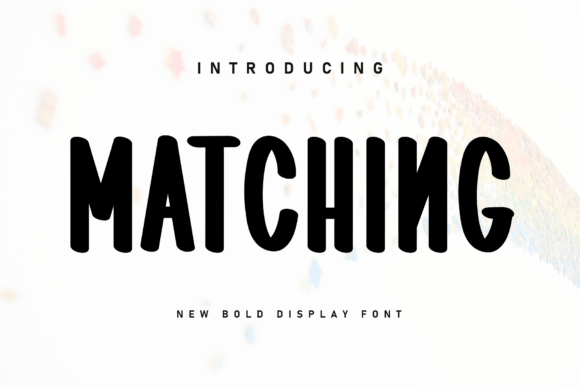
I was recently helping a local boutique owner redesign her product tags when I realized how much impact a font can have. She had been using a basic, generic typeface that didn’t reflect the warmth and personality of her brand. As we brainstormed options, I stumbled upon Matching, a sweet and beautiful handwritten font. The moment I saw it, I knew this display font could be the perfect fit to elevate her brand identity and create a more cohesive look across all materials.
Using Matching for Product Labels in a Cozy Skincare Brand
A few weeks ago, I worked with a small skincare brand looking to refresh their packaging design. They wanted something that felt personal, inviting, and aligned with their handmade ethos. After testing several Fonts, Matching stood out because of its natural flow and gentle curves. The characters dance along the baseline, giving the text an organic, almost artisanal feel.
We used it on ingredient labels and care instructions, but it truly shone as the headline font for each product jar. It added a touch of authenticity without being too playful or unprofessional. Because it’s a handwritten font, it helped communicate the brand’s values of love, care, and attention to detail — exactly what they were aiming for.
If you're working on packaging design for candles, lotions, teas, or any kind of artisanal product, consider how Matching can help your brand feel more approachable and trustworthy.
Matching in Café Menus: Making Food Look Friendlier
One of my favorite projects involved a café menu overhaul. The owner wanted the menu to feel welcoming and warm, not just another list of prices and ingredients. We tried several display fonts before landing on Matching.
The font's soft, flowing style gave the menu a homey, handcrafted vibe. Items like “Honey Lavender Latte” or “Maple Pecan Scone” looked far more enticing with Matching than with a standard sans serif font. It wasn’t distracting — just enough personality to make the brand feel personable. This is a great example of how a Fonts choice can influence customer perception and even appetite!
When choosing between script fonts and handwritten fonts, Matching offers a middle ground — elegant enough for branding yet casual enough to feel friendly and real. For café menus, bakery boxes, or food truck signage, it’s a solid pick.
How to Use Matching on Printed Thank-You Cards
Another client needed thank-you cards for loyal customers. These weren’t just generic thank-yous; they were meant to feel special and sincere. I suggested using Matching for the greeting lines, like “Thank You for Being Part of Our Story.” The result? A card that felt like it was written by hand — genuine and heartfelt.
Handwritten Fonts like Matching are especially powerful in print. When paired with subtle textures or watercolor backgrounds, the text feels even more personal. Just be sure to test the size and spacing to ensure readability, especially if printing in smaller formats.
Matching in Social Media Templates: Boosting Instagram Visuals
Online shop owners often overlook the power of typography in digital branding. Recently, I redesigned some Instagram templates for a vintage clothing seller. They needed a consistent visual language that reflected their brand’s charm and nostalgia.
By integrating Matching into the header of their posts, we created a signature style that instantly made their content stand out. Whether it was “Fall Favorites,” “New Arrivals,” or “Shop Our Story,” the font added a cozy accent that resonated with their audience. It also helped maintain brand consistency across all platforms.
For social media graphics, Matching works best in short phrases where it can breathe and shine. Avoid using it in long blocks of text or captions. Instead, use it to highlight key messages, seasonal promotions, or personalized greetings. It’s a premium font that brings character to your digital presence without compromising legibility.
Readability Tips for Using Matching on Small Labels and Mobile Screens
One thing I always stress to clients is the importance of readability. While Matching is ideal for display purposes, it’s crucial to balance it with other elements for clarity. Here are a few tips I’ve learned through trial and error:
- Use it sparingly: Don’t overdo it. Reserve Matching for headlines, taglines, or decorative accents rather than body text.
- Test on different sizes: Print it on small stickers or see how it looks on mobile screens. If it gets too wobbly at lower sizes, simplify the layout or pair it with a cleaner font.
- Pair with contrast: For a stronger visual hierarchy, pair Matching with a clean sans serif or elegant serif font. Think of it as adding texture to a minimalist design.
This makes Matching perfect for logos, packaging titles, and promotional banners — places where first impressions matter most.
Font Pairing Ideas That Work Well With Matching
Typography isn’t just about picking one Fonts and calling it a day. It’s about creating harmony. When I use Matching, I usually pair it with a modern sans serif for body text. This combination keeps the brand identity from feeling cluttered while maintaining a warm tone.
Here are some simple pairing suggestions:
- Sans Serif Fonts: Clean and structured types like Montserrat or Lato provide a strong contrast to Matching's fluidity.
- Elegant Serif Fonts: Something like Playfair Display or Merriweather adds sophistication when Matching is used for a headline or title.
- Script Fonts: If you want to lean further into the handwritten aesthetic, pair it with a lighter script font for secondary headers or call-to-action buttons.
These pairings help keep your editorial design or web design balanced, making your brand both stylish and easy to read.
Checking Licensing and Design Assets Before Going Commercial
Before finalizing the use of Matching for a client’s branding suite, I always check the commercial licensing terms. It’s important to know whether the font allows use for printed merchandise, digital downloads, or web-based content. Some Fonts come with restrictions, so transparency is key.
Also, make sure to review what’s included in the font package — alternate characters, ligatures, weights, and multilingual support can make a big difference depending on your target market. If your boutique ships internationally or targets a diverse audience, these details matter.
Once confirmed, you can confidently integrate Matching into your design assets, from logo files to website banners. Its versatility makes it suitable for multiple formats, including high-resolution prints and digital ads.
Why Matching Fits Into My Creative Toolkit for Branding Projects
In the past year, I’ve used Matching in over a dozen branding projects. From a boutique’s loyalty program tags to a coffee roastery’s gift box inserts, it consistently delivers a sense of warmth and craftsmanship. It’s not just another handwritten font — it’s a Fonts that speaks volumes about your brand’s personality.
What I love most is how it adapts to different contexts. On a candle label, it feels intimate and inviting. In a logo, it adds charm without being overly whimsical. And in a digital ad, it stands out just enough to catch the eye without overwhelming the message.
As a creative consultant, I recommend it for businesses that want to add a human touch to their Display typography. Whether you’re a small business owner or a hobbyist building your online store, Matching gives you a tool to express your brand’s story in a visually appealing way.
Real-World Applications for Matching in Brand Identity
Let me walk you through a few real-world applications of Matching I've seen work well:
- Bakery Boxes: Used in headlines like “Morning Delights” or “Fresh Baked Daily” to evoke a sense of comfort and quality.
- Candle Jar Labels: Perfect for names like “Evening Glow” or “Cozy Remedy,” where a handwritten style enhances the artisanal feel.
- Logo Design: Combined with a bold sans serif for the main name, Matching becomes a signature tagline or subheading.
- Website Banners: Works well in short statements like “Welcome Home” or “Create Your Own Magic” to guide the user experience.
- Flyers and Stickers: Adds a nostalgic flair to promotional materials, especially when paired with muted colors and soft gradients.
Each of these examples shows how a thoughtful Fonts selection can transform your brand’s visual communication. It’s not just about aesthetics — it’s about creating trust and recognition with every piece of content you put out there.
Final Thoughts on Typography Choices for Small Business Owners
Choosing the right Fonts is part art, part science. As someone who helps small businesses build their brand identity, I’ve seen firsthand how a font like Matching can bridge the gap between creativity and professionalism. It doesn't shout — it whispers, and that's exactly what many brands need.
Whether you're designing product labels, refreshing your social media graphics, or updating your shop visuals, think about how your typography affects the mood and message. Matching is a display font that does more than look pretty — it helps your brand feel real, memorable, and full of heart.
So next time you’re preparing new designs, take a moment to consider how your Fonts might be shaping your brand’s voice. Sometimes, the smallest detail — like a handwritten typeface — can make the biggest difference.