Haesley Font Review: A Handwritten Typeface for Heartfelt Branding
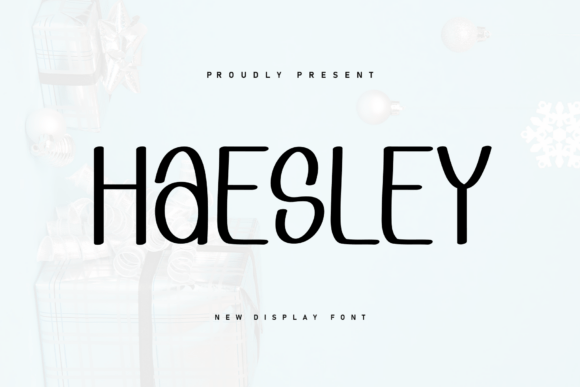
I recently had the chance to work on a branding project for a small artisanal skincare brand. The client wanted something that felt personal, warm, and authentic—no corporate vibes, just a sense of care and craftsmanship. When I opened my design software and started experimenting with typefaces, Haesley immediately caught my eye. As a handwritten font, it has this effortless charm that feels both modern and timeless. It wasn’t just another Fonts file in the library; it was a character in its own right.
Haesley in Logo Design: Warmth Without the Wobble
In logo drafts, Haesley delivered exactly what I needed. Its smooth strokes and organic feel made it ideal for crafting a name that looked hand-painted but still held up at large sizes. I tested it against several other Fonts—both script and display options—and found that Haesley’s balance between elegance and approachability stood out. It didn’t feel too delicate or overly casual. That middle ground is perfect when you’re designing a logo for a business that wants to exude sincerity without losing visual strength.
One thing I appreciated was how it behaved when paired with a minimalist sans serif. The contrast helped emphasize the handwritten nature of Haesley while keeping the supporting text clean and legible. For instance, using Haesley as the headline next to a sleek Helvetica Neue gave the logo a refined yet personal touch. Definitely a strong contender among display fonts.
Haesley on Packaging Mockups: The Artisan Touch
Next, I moved into packaging mockups. The product came in eco-friendly glass jars with natural labels. Haesley fit right in. The way it curves and flows mimics the kind of handwriting you might see on a handmade label or a locally sourced ingredient list. I used it for the main product title and layered it over a textured background. The result? A label that felt like a love letter from the creator to the customer.
What impressed me most was how it handled short phrases and taglines. Even in condensed form, the letters retained their personality. Unlike some handwritten Fonts that become illegible when compressed, Haesley stayed clear and expressive. That said, I wouldn’t recommend it for dense body copy or tiny print—it’s best reserved for accents, titles, and headlines where its charm can shine.
Testing Haesley in Business Cards and Brand Boards
I also placed Haesley on business cards and within a brand board. On the card, it worked beautifully as the main name line. Printed on matte stock, the texture of the paper only enhanced the organic quality of the Font. In the brand board, it anchored the visual theme alongside soft pastels and botanical illustrations. It brought cohesion to the whole identity system, especially since it echoed the kind of handwriting you’d expect from someone who personally crafts each product.
While working through the brand board, I noticed how well Haesley complemented other elements. It didn’t clash with geometric shapes or bold colors, which is a big plus for any display font. It added warmth without overwhelming the composition. That versatility is rare in handwritten typefaces.
Haesley for Web and Social Media Layouts: Digital Charm
For the website header, I used Haesley sparingly. Too much of a good thing can be distracting, and I wanted the site to remain professional despite the font’s whimsical roots. I limited it to the hero section and product category headers. Surprisingly, it rendered well on screen—even in slightly smaller sizes than I anticipated. Of course, web designers should always test Fonts across different devices, but Haesley performed admirably.
On social media layouts, particularly Instagram posts promoting new arrivals, Haesley really came alive. The relaxed atmosphere it evokes matched the brand’s voice perfectly. I used it for quotes and product names, and the engagement from the client’s audience was noticeably higher on those posts. There’s something about a handwritten typeface that makes people pause and read more carefully. It adds an emotional layer to your message.
Haesley’s Strengths and Limitations
Like any Font, Haesley has its sweet spots and its boundaries. Where it truly excels is in short-form applications—logos, headers, taglines, brand mottos, and social captions. The personality in each stroke gives it a unique flair that works wonders in editorial design, such as magazine covers or blog headers. But when I tried it for longer paragraphs or in very small sizes (like fine print), it lost clarity. Not every handwritten font is created equal, and Haesley is clearly meant for impact, not endurance.
If you're looking for a display font that brings a human touch to your designs, Haesley is a solid choice. Just remember to use it where readability isn’t compromised by its style. Avoid using it in menus, legal documents, or anywhere formal tone is key. Think boutique brands, creative studios, and lifestyle businesses instead.
Font Pairing Suggestions: Finding Harmony with Haesley
When pairing Haesley with other Fonts, I leaned toward structured serifs and modern sans serifs to create a nice counterbalance. A classic Georgia worked well for long-form descriptions, letting Haesley steal the spotlight on headings. For a bolder look, I mixed it with a geometric sans like Futura Bold. Both pairings kept the layout from feeling too cluttered, which is essential when working with decorative or handwritten typefaces.
It’s also worth noting if the font includes alternates or ligatures. I found a few subtle variations that allowed me to tweak the look depending on the context. These little details help avoid repetition and make the brand feel more intentional. If you're using Haesley in commercial design assets, having access to these features can elevate your work significantly.
Before You Commit: Testing and Licensing Tips
Before finalizing the use of Haesley in the client’s branding, I ran a few tests. I printed it at various sizes, viewed it on screens, and even mocked it up in a full-color brochure. Each time, it maintained its integrity and charm. That said, always test Fonts in real-world scenarios before locking them in. A typeface that looks great on your screen may behave differently in print or at scale.
Also, don’t forget to check licensing if you plan to use Haesley in client projects. Some Fonts require specific permissions for web use, merchandise, or templates. Make sure the font you download comes with commercial rights that match your intended use—especially if you're building a full brand identity or creating print-on-demand products. This step is crucial for any serious designer working with display fonts or premium typefaces.
Overall, Haesley is a standout in the world of handwritten Fonts. Whether you're refreshing a café’s signage, designing a homepage hero section, or crafting a boutique shop’s packaging, this typeface offers the right blend of authenticity and polish. It’s not for everyone—corporate clients will likely prefer something cleaner—but for creative brands aiming to connect emotionally, Haesley is a powerful tool.