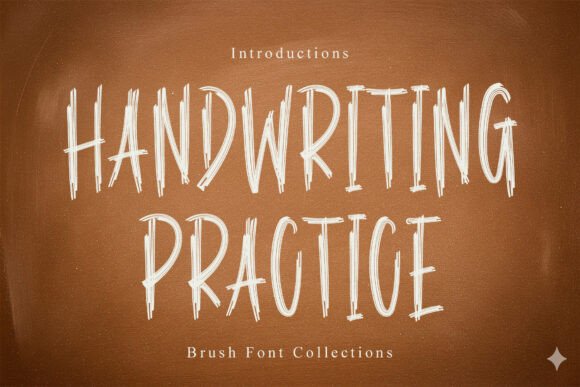
Handwriting Practice Font: A Bold and Elegantly Mysterious Display Typeface
There I was, staring at a blank brand board for a boutique that sells artisanal stationery and handcrafted journals. The client wanted something unique but still professional—something that would evoke both creativity and trust. I opened up my font library and scrolled through a few handwritten options before landing on Handwriting Practice. As a display font, it immediately caught my eye with its balance of strength and elegance. What followed was an unexpected journey into how this typeface can elevate the visual storytelling of a brand when used thoughtfully.
Handwriting Practice in Logo Design: Strong, Stylish, and Slightly Enigmatic
I started by testing Handwriting Practice in a logo concept. The letterforms are distinct—each one feels like it has its own personality, with subtle curves and bold strokes that add depth. It’s not your average cursive or casual script; instead, it brings a sense of mystery and confidence to the table. In the context of a small business logo, especially for a creative studio or handmade shop, this font made the mark feel intentional and memorable. When paired with a minimalist sans serif for supporting text, the contrast worked well, keeping the focus on the Handwriting Practice as the hero element.
However, I noticed that it doesn’t scale well below 24pt without losing some of its charm. That means it’s better suited for logos that appear in larger formats—like signage, social media headers, or website banners—rather than tiny embroidered tags or small print labels. Still, in most digital applications, such as Instagram bios or email signatures, it shines brightly as a display font.
Handwriting Practice for Brand Identity Projects: Eye-Catching and Versatile
As I moved from the logo into building the rest of the brand identity, I tested Handwriting Practice across various touchpoints. On a brand board, it added a layer of sophistication that felt fresh and approachable. For packaging mockups, I placed it on a label for a luxury candle line. The result? A rich, mysterious look that screamed “handmade” while maintaining a level of polish needed for retail appeal.
In editorial design, like a product catalog or blog post header, I found that it works best for short phrases and headlines. Its character is too strong to use throughout long body copy, but as a title or callout, it adds just the right amount of intrigue. I also tried it on a poster for a local art show and loved how it drew attention instantly. This kind of versatility makes it a standout among display fonts, especially when you're looking to create a bold statement without sacrificing elegance.
Font Pairing Suggestions for Handwriting Practice
When pairing Handwriting Practice, I leaned toward a clean sans serif like Montserrat or Lato to keep things balanced. The contrast between the expressive handwriting and the structured sans helped maintain readability while letting the Handwriting Practice take center stage. I also experimented with a more ornate script next to it, but the two were too similar in tone and ended up clashing. So, stick to a modern typography system with a neutral supporting font to highlight its unique character.
Using Handwriting Practice in Web and Social Media Layouts
One of the most surprising places where Handwriting Practice performed beautifully was in a homepage hero section. I designed a mockup for a skincare brand that wanted to communicate natural beauty and personal care. Placing the font over a soft background image created a luxurious and inviting vibe. It didn’t overwhelm the layout, which is key for web design, and its slightly irregular spacing gave it a human touch—perfect for a brand aiming to stand out in a crowded market.
On social media layouts, particularly for Instagram posts and Pinterest boards, the font added a personal flair that resonated with lifestyle audiences. Whether used in a quote graphic or a product announcement, it brought warmth and originality to the designs. And because it's a display font, it holds up well at different sizes, making it adaptable for both desktop and mobile views.
Handwriting Practice and Readability Considerations
Now, let’s talk about the elephant in the room: readability. While Handwriting Practice is undeniably beautiful, it’s not ideal for dense paragraphs or fine print. I avoided using it in body text for a brochure project and instead reserved it for headings and taglines. That said, if your goal is to make a statement rather than convey large amounts of information, this font hits all the right notes.
The slight irregularities in stroke width and letter spacing contribute to its charm but also mean it needs careful placement. Use it sparingly to avoid visual fatigue, especially in high-traffic areas like websites or app interfaces. For brand owners who want a premium font that stands out, Handwriting Practice offers a great middle ground between decorative and legible.
Testing Handwriting Practice Before Going Live
Before committing to using Handwriting Practice in final deliverables, I always recommend creating a few test assets. Try it on a mockup of a product label, see how it looks in a real-world application like a printed business card, and check its performance on screen at varying resolutions. I did all three and found that it held up impressively in each scenario.
You might also want to review any included styles, alternates, or ligatures to ensure it supports your language and design needs. If multilingual support is important for your audience, double-check the font’s capabilities. Since it’s a display font, I didn’t need full language coverage, but others may find that relevant depending on their projects.
Commercial Use and Licensing Notes
One thing every designer should do before going live with Handwriting Practice is verify the commercial font licensing terms. If you’re using it for a client’s brand identity, packaging design, or even print-on-demand products, you’ll need to ensure the license covers those uses. I’ve learned the hard way that skipping this step can lead to headaches later, so always read the fine print—or ask the font provider directly.
Handwriting Practice as Part of a Modern Typography System
What I love most about Handwriting Practice is how it fits into a modern typography system without feeling outdated. It’s not trying to be anything other than what it is: a captivating display font with a touch of mystery. That authenticity makes it easier to integrate into contemporary branding work. Whether it’s part of a logo font combo or an accent in a multi-font system, it adds character without stepping on the toes of other typefaces.
I used it alongside a geometric sans serif for a café’s visual refresh, and the combination felt fresh and modern. The Handwriting Practice was used for the menu headers and signage, while the supporting font handled the pricing and body text. This kind of thoughtful application ensures the font remains impactful without becoming distracting.
Projects Where Handwriting Practice Might Not Be the Best Fit
That being said, there are certain scenarios where Handwriting Practice might not be the best choice. For formal corporate branding or legal documents, its artistic nature could come off as unprofessional. It’s also not recommended for long-form content like books, e-books, or newsletters where clarity and consistency are critical. In these cases, sticking to a traditional serif or sans serif font would be wiser.
If your brand leans heavily on minimalism or Scandinavian design principles, you’ll need to consider whether the Handwriting Practice aligns with that aesthetic. It’s a bit more dramatic and expressive, which might clash with ultra-clean visuals. But for brands with a creative, artisanal, or luxury feel, it’s practically tailor-made.
Final Thoughts on Handwriting Practice as a Creative Tool
After integrating Handwriting Practice into several design phases—from brand board concepts to website headers—I’m confident it’s a go-to display font for anyone needing a bold yet elegant option. It’s perfect for branding projects where you want to add a touch of personality without veering into gimmicky territory. Whether you're working on a boutique identity, a bakery’s packaging, or a creative studio’s logo system, this font has the potential to elevate your design assets and help your brand stand out in a meaningful way.
So if you’re a designer or brand owner looking for a premium font that does more than just fill space, give Handwriting Practice a try. You might just find the missing piece in your next project.