Charcoal Font: A Bold Display Typeface for Modern Design
What Is Charcoal?
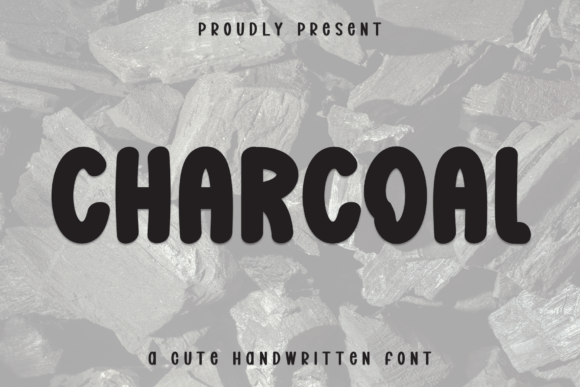
Charcoal is a dynamic, handwritten display typeface that brings warmth and personality to any design project. Its organic feel and expressive strokes make it stand out among other Display fonts, offering a balance between creativity and clarity. Whether you're designing a logo or creating eye-catching social media graphics, Charcoal delivers an inviting and friendly presence that’s hard to ignore.
If you’re looking for the perfect blend of style and accessibility, you might want to start with a Charcoal font download. The font is ideal for branding and editorial work alike, and its unique allure ensures your message stands out. With options like a Charcoal free download, this versatile typeface is now easier than ever to integrate into both personal and professional projects.
Design & Style Analysis
Charcoal thrives in the world of Display typography due to its strong visual identity and fluid character shapes. It’s crafted to evoke emotion without overwhelming the reader, making it suitable for a wide range of applications from posters to wedding invitations. The typeface carries a bold weight, but not at the expense of legibility — careful spacing ensures each letter remains distinct even at smaller sizes.
Letterforms and Personality
The letterforms in Charcoal are naturally flowing and slightly irregular, mimicking real handwriting while maintaining typographic harmony. This gives the font a sense of authenticity and charm, which is rare in many digital Display typefaces. The subtle variations in stroke width and angle add depth and character, especially when used in large formats such as headers or logos.
Weight and Contrast
Charcoal features a medium-heavy weight, with enough contrast to create visual interest without being too overpowering. This makes it ideal for use in professional Fonts where a more refined look is required alongside a bold statement. Unlike some Display fonts that rely on exaggerated forms, Charcoal feels grounded and approachable.
Spacing and Readability
One of the standout features of Charcoal is its thoughtful spacing. Each glyph has been carefully adjusted to maintain a natural rhythm, ensuring that words don’t feel cramped or disconnected. This level of detail makes it one of the best Display fonts for logo design, as it can be scaled up or down effectively without losing its essence.
Best Uses for Charcoal
With its expressive nature and readability, Charcoal is well-suited for a variety of creative fields. Here are some of the top use cases where this font truly shines:
Charcoal for Logo Design
Logos demand attention and memorability, and Charcoal delivers both. Its handwritten aesthetic adds a personal touch, making it perfect for lifestyle brands, artisanal products, or any company aiming to convey warmth and trust. When paired with clean supporting elements, it becomes a premium Display font choice that sets your brand apart.
Charcoal for Branding
Branding is about consistency and character. Charcoal allows you to inject a human element into your brand’s visual language, whether it’s for packaging, signage, or promotional materials. Its versatility means it can adapt to different contexts — from minimalist layouts to richly layered designs — without losing its impact.
Charcoal for Wedding Invitations and Cards
Wedding typography often leans toward elegance and romance, and Charcoal fits right in. Its soft yet structured appearance makes it one of the best Display fonts for wedding invitations, adding a modern twist to traditional themes. Use it for headings, names, or signature lines to create a memorable and stylish event experience.
Charcoal for Social Media and Packaging
In the fast-paced world of social media, visuals need to catch the eye quickly. Charcoal’s bold and expressive nature works wonders in Instagram posts, Facebook banners, and YouTube thumbnails. Similarly, it’s an excellent option for product packaging where a free Display font for Fonts is needed to elevate the design without breaking the budget.
Charcoal for Posters and Merchandise
When designing posters or merchandise, the goal is often to communicate energy and emotion. Charcoal helps achieve this effortlessly. From music festival flyers to clothing labels, it adds a contemporary flair while remaining highly readable. Its ability to adapt across mediums makes it a go-to for designers seeking a professional Fonts font with a unique edge.
Font Pairing & Combinations
While Charcoal is powerful on its own, combining it with complementary typefaces can enhance your design further. Understanding what fonts pair well with Charcoal is essential for achieving balance and visual harmony in your compositions.
Serif + Sans-Serif Pairing
A popular combination involves pairing Charcoal with a sleek serif or sans-serif font for body text. For example, using Charcoal for headlines and switching to something like Lora or Open Sans for body copy creates a seamless transition between expressive and formal styles. This setup is particularly effective for blogs and magazines aiming to highlight key content with a Charcoal font pairing strategy.
Display + Body Font Harmony
For multi-layered designs, consider using a secondary Display font alongside Charcoal. A lighter or more geometric Display typeface can provide contrast without clashing. This method is great for infographics, brochures, and website headers where hierarchy and visual appeal are crucial.
Script + Clean Typefaces
Another compelling approach is to combine Charcoal with a script font for added sophistication. This works beautifully in luxury branding, greeting cards, and event typography. Just ensure there's enough contrast in weights and styles to avoid visual fatigue. These best font combinations with Charcoal allow you to experiment creatively while maintaining professionalism.
Licensing & Commercial Use
Before using Charcoal in a commercial project, it’s important to understand the licensing terms. Many users ask, “Is Charcoal free for commercial use?” The answer depends on the source of your download and the specific license included. Always review the conditions provided by the seller or foundry to ensure compliance.
If you obtained the font through a platform like CreativeFabrica or DaFont, check their licensing page for details. Some offer a Charcoal font license that permits commercial use, while others may require a premium purchase. If you're working on a high-stakes project, investing in a premium Display font like Charcoal ensures legal protection and peace of mind.
For personal projects, the Charcoal commercial use restrictions typically don't apply, so you can freely experiment. But once you move into marketing campaigns, client work, or product branding, it’s vital to confirm the license allows for such usage. Choosing a font with clear and flexible permissions is a must for any designer handling commercial use scenarios.
How to Download & Use Charcoal
Getting started with Charcoal is straightforward. If you're looking for a Charcoal free download, several platforms offer it as part of their free or premium collections. You can find a download Charcoal font free version on sites like Google Fonts or DaFont, while premium versions may come with extended licenses and additional glyphs.
To install Charcoal on your computer, simply download the TTF or OTF file and double-click to add it to your system. Once installed, it’s ready for use in Adobe Photoshop, Illustrator, Word, or Canva. Knowing how to use Charcoal in Canva is easy — just upload the font and select it from the custom fonts section. In Photoshop, you can access it directly from the font menu after installation.
If you prefer to buy a font bundle that includes Charcoal, platforms like CreativeFabrica offer curated packs with multiple Display and script fonts. These font bundles are cost-effective solutions for expanding your typographic toolkit without overextending your budget.
Designer Notes & Tips
Working with Charcoal requires a few key considerations to maximize its potential. First, always test how it looks in black and white. The font’s texture and variation are best appreciated in grayscale, especially in print or low-color environments. Second, assess its readability in small sizes. While it’s designed for display purposes, certain characters may become less clear when reduced.
Spacing is another critical factor. Because of its handwritten nature, Charcoal can appear denser than standard fonts. Adjust the tracking or kerning to maintain a balanced layout, especially in tight compositions like logos or buttons. These small tweaks can significantly improve the overall look and feel of your design.
When considering alternatives, you might wonder, “Charcoal vs similar font?” Compared to other handwritten Display fonts, Charcoal offers superior spacing and a more consistent baseline. It holds its own against competitors like Playfair Display or Cinzel, but with a more casual, approachable vibe. This makes it a favorite for designers who want to avoid overly ornate or rigid typefaces.
Conclusion
Charcoal is more than just a pretty face — it’s a functional and expressive Display font that meets the needs of modern design. Whether you're crafting a logo, preparing branding materials, or designing for social media, this font provides the flexibility and charm required to stand out. With the right Charcoal font license, you can confidently use it in both personal and commercial projects.
Ready to bring your next design to life? Try a Charcoal free download today and discover why it’s becoming one of the most sought-after Display fonts in the industry.