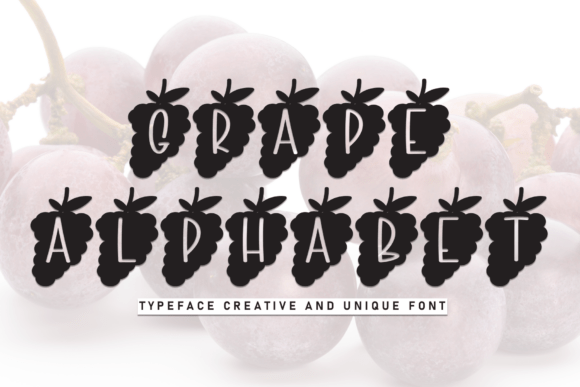
Grape Alphabet: A Playful Display Font for Editorial Design
There’s something magical about the moment you choose a font. It’s not just about making text legible—it's about setting the tone, inviting readers in, and creating an experience that feels intentional from the first letter to the last. Recently, while redesigning the header for a new lifestyle blog I'm working on, I stumbled upon Grape Alphabet, a display font that immediately caught my eye with its whimsical charm and organic rhythm. As someone who values thoughtful typography, I couldn’t help but wonder how this unique typeface could elevate the visual soul of editorial content.
Grape Alphabet for Wedding Guides and Invitations
Grape Alphabet is more than just a font; it's a design statement. Its playful yet elegant structure makes it ideal for wedding-related projects—especially when you want to blend creativity with a sense of occasion. Whether you're crafting digital wedding guides or printable invitations, this display font adds a touch of warmth and personality that traditional letters simply can't match.
I tested Grape Alphabet on a sample wedding planner cover and found it beautifully complemented floral accents and soft watercolor backgrounds. The font doesn’t demand attention aggressively, but rather draws the reader in gently, like a handwritten note from a close friend. This balance is key for high-impact designs that still feel personal and approachable.
Why Use Grape Alphabet in Digital Publications?
Display fonts are often reserved for headlines, but Grape Alphabet offers a refreshing alternative for body text in short-form publications. Its characters flow naturally, with subtle variations that mimic handwriting without sacrificing clarity. For example, in a digital magazine layout featuring seasonal recipes, using Grape Alphabet for chapter openers or pull quotes created a cohesive yet lively reading experience.
This font works especially well in niches where authenticity matters—like wellness blogs, creative coaching workbooks, or even indie book covers. It brings a human touch to digital formats such as PDFs and web pages, helping maintain engagement through consistent, readable typography across devices.
Grape Alphabet in Recipe Ebooks and Lifestyle Blogs
When it comes to recipe ebooks, the right font can make the difference between a functional layout and one that inspires culinary creativity. I used Grape Alphabet for section titles in a test ebook and was surprised by how it enhanced the overall mood. Its hand-drawn style felt warm and welcoming, which is perfect for content that aims to connect emotionally with readers.
The rhythm of the letters in Grape Alphabet gives each title a gentle bounce, making them feel alive without being distracting. In lifestyle blog headers, this quality helps break up dense layouts and encourages users to explore further. I also tried it on mobile previews and was pleased with its readability—even at smaller sizes, the font maintained enough character to stay engaging without becoming illegible.
Font Pairing with Grape Alphabet
A great display font needs the right companions. When working with Grape Alphabet, I paired it with a clean sans serif font for body copy and navigation menus. This combination ensured that while the headlines sparkled with whimsy, the supporting text remained grounded and easy to read. In printables and worksheets, I used a modest serif font beneath Grape Alphabet for captions, reinforcing the idea that contrast can be a powerful tool in visual hierarchy.
If you're designing a course PDF or a printable planner, consider how Grape Alphabet can anchor your brand identity while other fonts support the practical elements. The goal isn’t to overwhelm the reader but to guide their attention smoothly through the content.
Grape Alphabet for Newsletter Headers and Branding
In editorial design, consistency is everything. While experimenting with newsletter headers for a client, I integrated Grape Alphabet into the masthead and saw an immediate improvement in the publication’s visual appeal. The font added a sense of playfulness that aligned perfectly with the brand’s focus on joyful, community-driven content.
What sets Grape Alphabet apart is its ability to feel both crafted and spontaneous. It’s not a typical script font or a rigid sans serif; instead, it bridges the gap between the two. This duality allows it to work well in branding materials, from social media graphics to logo design, where uniqueness and usability must coexist.
Readability Across Platforms
One concern with any creative display font is whether it holds up in different formats. I found Grape Alphabet surprisingly versatile. On screen, it renders cleanly and maintains its charm even in responsive web design. In print materials, the font retains its texture and warmth, which is rare for many digital-only typefaces.
For long-form content like a course PDF or a coaching workbook, I recommend reserving Grape Alphabet for titles and subtitles. Its decorative nature is best suited for shorter texts where visual impact is key. Longer paragraphs benefit from pairing it with a more neutral font to preserve readability and reduce cognitive load.
Using Grape Alphabet in Magazine Covers and Printables
Magazine covers need to stand out, and Grape Alphabet delivers that effortlessly. During a mock-up session for a digital magazine focused on sustainable living, the font transformed a basic headline into something memorable. The natural curves and slightly irregular spacing gave the cover a handmade feel, aligning with the magazine’s eco-conscious ethos.
Similarly, in printable planners and worksheets, Grape Alphabet helped create a more inviting atmosphere. Instead of sterile, uniform headings, the font brought a sense of movement and life to the layout. Readers could tell that the design had been made with care, which subtly increased trust in the content itself.
Design Assets and Commercial Font Licensing
Before finalizing any project, it’s important to check what styles come included with the font. I confirmed that Grape Alphabet offered several alternates and ligatures, which allowed me to tailor the look for different sections. These small details matter when building a publication that feels curated and professional.
Also worth noting is its multilingual support and file format options. If you're targeting an international audience or planning to export your designs to multiple platforms, having access to full language coverage and compatible formats like OTF and TTF is essential. And for those using it in commercial settings—whether for paid newsletters, client publications, or digital downloads—ensuring proper licensing is part of the process. Fortunately, Grape Alphabet provides clear guidelines for use, which is reassuring for anyone looking to build a premium font library.
Grape Alphabet in Chapter Openers and Pull Quotes
Chapter openers are a great place to let your typography shine. I used Grape Alphabet in a test layout for a self-help ebook and found that it worked beautifully as a chapter title. The font didn’t compete with the imagery but instead became part of the narrative, guiding readers into each section with a sense of curiosity.
Pull quotes are another area where Grape Alphabet excels. In a recent editorial feature page, the font helped highlight key insights without overwhelming the surrounding text. It’s a delicate balance, but one that this display font achieves effortlessly—offering both visual interest and editorial clarity.
Creating a Distinctive Publication Identity
Typography plays a major role in shaping a publication’s identity. With Grape Alphabet, there’s a strong sense of individuality. It doesn’t follow the usual rules of modern typography, which is exactly why it stands out. For bloggers and publishers seeking to differentiate their content, this font is a compelling choice.
Its organic soul feels less like a manufactured product and more like a voice—a storytelling tool that invites readers to slow down and savor the words. That kind of connection is invaluable in today’s fast-paced digital world.
Grape Alphabet for Creative Content Brands and Digital Products
Independent content brands often struggle to find the right visual tone. Grape Alphabet offers a solution that feels both fresh and timeless. I’ve seen it work wonders in digital magazines, course landing pages, and even packaging design for printables sold on platforms like Etsy or Gumroad.
Its whimsical energy fits well with brands that prioritize creativity and emotional resonance. Think of it as the typographic equivalent of a handwritten greeting card—personal, expressive, and full of heart. This makes it especially effective in niche markets like wedding guides, children’s educational resources, or spiritual workbooks.
Exploring Font Weights and Alternates
While most display fonts offer only one weight, Grape Alphabet includes variations that allow for more depth in your design. I used lighter weights for secondary headings and bolder versions for main titles, creating a subtle visual hierarchy without complicating the layout. These nuances are particularly useful when designing multi-page documents or complex editorial spreads.
Alternates and ligatures add another layer of customization. They’re perfect for adding a little surprise in your content—whether it’s in a blog post title, a printable worksheet, or a newsletter graphic. Just a few swaps can transform a standard layout into something truly unique.
Why Bloggers and Publishers Should Consider Grape Alphabet
Bloggers know that first impressions count. From headers to article titles, every element contributes to the reader’s journey. Grape Alphabet has proven itself as a reliable companion in these spaces, offering a voice that feels both contemporary and classic.
Its versatility means it can adapt to various moods and themes. One day, it might be the perfect accent for a cozy winter recipe collection; the next, it could headline a bright spring issue of a digital zine. This kind of flexibility is rare in the world of display fonts, and it speaks volumes about its design integrity.
Final Thoughts on Typography and Editorial Tone
Choosing the right font is never just about aesthetics. It’s about tone, intent, and the message you want to send before a single word is read. Grape Alphabet does this quietly but effectively, infusing editorial layouts with a sense of joy and authenticity that resonates with readers.
If you're looking to bring a bit of whimsy into your next project—be it a digital publication, a printable guide, or a newsletter header—I encourage you to try Grape Alphabet. Let it speak for itself and see how it transforms your content into something more memorable, more inviting, and more yours.