Felix Font Review for Brand Designers
There I was, staring at a blank brand board for a boutique skincare line, searching for that perfect typeface to anchor the identity. The project needed something bold yet elegant—something that could convey both craftsmanship and luxury without feeling overdone or generic. When I first opened Felix in my design software, I wasn’t sure it would fit. But after testing it across logo drafts, packaging mockups, and social media layouts, I knew I’d found a gem. Felix is more than just a display font; it’s a statement.
Felix for Skincare Branding and Product Packaging
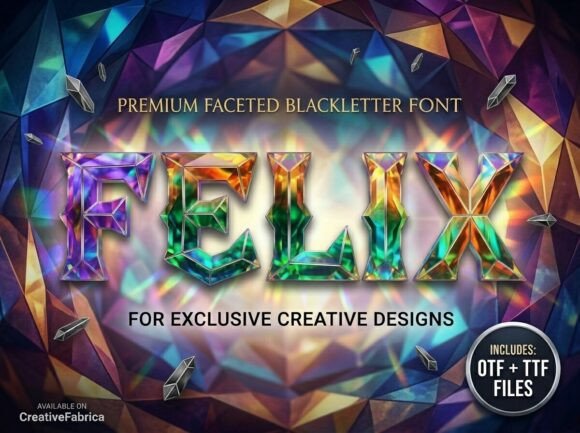
I started by placing Felix on a product label mockup. At first glance, it screamed crystalline-and-monumental soul, which is exactly what the client wanted. The sharp, blackletter-inspired strokes gave the brand a sense of timelessness, while the subtle modern tweaks kept it from feeling too medieval. It worked surprisingly well in larger sizes on glass jars and tins, especially when paired with minimalist background textures. Felix doesn’t demand subtlety—it commands attention, but in a way that feels intentional rather than overwhelming.
The contrast between thick and thin lines made it pop even on glossy finishes, and the open apertures helped maintain clarity despite its ornate feel. In smaller print like ingredient lists, I had to switch back to a serif companion, but as an accent or headline font, Felix delivered the kind of gravitas that makes a product stand out on a shelf.
Felix in Logo Design and Business Card Mockups
Next up: the logo concept. I tried Felix alongside a few other premium fonts, including some classic serifs and decorative scripts. Felix stood out for its ability to balance tradition with a fresh edge. The font’s personality is strong enough to become a visual anchor but not so loud that it overshadows supporting elements like icons or taglines. For this project, I used it as the primary logotype, and it worked beautifully in both monochrome and metallic versions.
On business cards, Felix really shined when used sparingly. I limited it to the brand name at the top and let a clean sans serif handle the contact details. This approach preserved readability while letting the font contribute to the brand’s refined aesthetic. It’s a great reminder that display fonts like Felix are best reserved for impact areas—not entire paragraphs or small text fields.
Font Pairing Suggestions with Felix
When it comes to font pairing, Felix pairs exceptionally well with serif fonts for contrast and warmth. A soft, high-contrast serif such as Playfair Display or Lora can complement its boldness without clashing. For a more contemporary look, try combining it with a modern sans serif like Montserrat or Raleway in supporting copy. The key is to keep the secondary font unobtrusive so Felix remains the star of the show.
Script and handwritten fonts can also work, but they need careful handling. I found that using a lighter script font for subheadings created a nice rhythm without muddying the visual hierarchy. Always test combinations at actual sizes to ensure legibility and harmony in your final designs.
Felix in Web Design and Social Media Layouts
Web design is where many display fonts fall short, but Felix surprised me. I used it in a homepage hero section, and it rendered cleanly even at lower resolutions. Its structure gives it a surprising level of readability for digital use when confined to short phrases or headlines. I also tested it in Instagram post templates, where it added a touch of sophistication to product announcements and event promotions.
However, I did notice that in body text sections or long captions, Felix becomes too much. It’s clearly designed for impact, not endurance. Stick to using it for headers, titles, and call-to-action buttons. And always make sure to check its webfont availability if you’re building a site—some display fonts don’t translate well into code, but Felix handled itself with grace.
What Kind of Projects Work Best with Felix?
- Logo design: Felix is ideal for creating memorable, impactful logos, especially for brands looking to blend traditional and modern aesthetics.
- Packaging labels: The font adds a sense of elegance and monumentality, making products stand out visually.
- Social media graphics: Its bold character shines in short-form content like banners, quotes, and promotional posts.
- Editorial design: Use it for chapter titles, pull quotes, or title pages where a dramatic flair is appropriate.
- Brand identity assets: From brand boards to shop signage, Felix can help unify a brand’s visual language with a consistent typographic tone.
Limitations and Realistic Expectations with Felix
Like any display font, Felix has its limits. It’s not suited for long paragraphs or anything that needs to be read at a distance or in tiny sizes. I tried using it in a flyer body text once and immediately regretted it—the complexity of the characters made it hard to follow quickly. That’s why it’s important to treat Felix as a supporting typeface, not a full-system font.
Also, while the included alternates and ligatures are rich and varied, they require a bit of learning to use effectively. Some glyphs have intricate flourishes that might not suit every design context. Spend a little time exploring the font kit before committing to a major project. Look for weights or variants that match your brand’s mood—Felix offers enough flexibility to adapt to different tones while keeping its core character intact.
Testing Felix Before Client Work
Before recommending Felix to a client, I always do a quick test pass. I’ll apply it to several key deliverables: a logo draft, a brand board, a website header, and a printed piece like a business card or poster. This helps assess how it holds up under different conditions and ensures it aligns with the brand’s goals. If the font reads well at large sizes and complements the overall visual system, it’s a solid choice.
I’ve learned that some clients expect a font to “do everything,” but the truth is, Fonts like Felix are specialists. They thrive in specific contexts and bring unique value there. Make sure your client understands that this is a display font meant for impact, not everyday body text.
Choosing Felix for Commercial and Creative Projects
One thing I always double-check before using any font in a real-world project is the commercial licensing. Felix is no exception. If you plan to use it in brand identity, packaging, merchandise, or web design, confirm the license covers those uses. Some free alternatives might seem tempting, but when working with clients, commercial font licensing is non-negotiable.
Once that’s cleared, Felix can be a game-changer. Whether you’re designing a new creative studio identity or refreshing a local café’s branding, it brings a sense of intention and artistry. I particularly love using it for short phrase applications—like taglines or event names—where it can really sing without being overused.
Multilingual Support and File Formats
I was happy to find that Felix supports a decent range of multilingual characters, which is crucial for global branding projects or ones that cater to diverse audiences. The file formats are standard (OTF, TTF), and the font installs smoothly across most design platforms. For web designers, it’s worth checking if a web version is available through services like Google Fonts or Adobe Fonts, depending on your workflow.
Its versatility in layout tools means you can easily adjust spacing, add effects, or tweak letterforms to better fit your composition. I’ve used it in layered Photoshop files and Illustrator vector work alike, and each time it behaved professionally—no wonky kerning or odd scaling issues.
Felix in the Context of Modern Typography Trends
Modern typography often leans toward minimalism, but there’s room for bold expression too. Felix fits right into that space. It’s not trying to be trendy for the sake of it—it’s reinterpreting a classical style with a fresh, confident attitude. That makes it a valuable tool for creatives who want to differentiate their work without sacrificing professionalism.
In today’s market, standing out matters more than ever. Felix gives you that edge when used correctly. It’s one of those rare display fonts that doesn’t feel gimmicky but instead adds depth and character to the design narrative. Just make sure the rest of your visual system matches its tone—you wouldn’t pair a rustic hand-drawn font with sleek, tech-forward imagery, and the same goes for Felix.
Final Practical Notes on Using Felix
Here are a few tips based on my experience:
- Use it for headlines, logos, and accents—not for body text.
- Pair it with simpler, neutral fonts to balance its intensity.
- Test it on physical materials like packaging or business cards to see how it looks in real life.
- Explore the alternate characters and ligatures to unlock more design potential.
- Always review the licensing agreement before using it in commercial projects.
If you're looking for a Fonts option that breaks the mold and injects a bit of grandeur into your next branding project, give Felix a try. It’s a display font that knows its role and plays it with confidence. Just remember, like all good display fonts, it’s best used in moderation—and always in the right hands.