Dreams Dreams Font for Editorial Design and Creative Projects
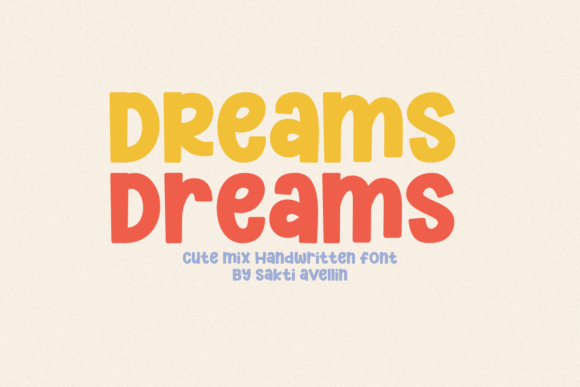
There’s a certain moment in every design project when you pause, look at the layout, and wonder if something is missing. It might be a title that feels too formal, a header that doesn’t quite sing with personality, or a pull quote that blends into the background instead of standing out. That was me last week while redesigning a digital lifestyle magazine — I needed a font that could bring warmth, joy, and a touch of whimsy without compromising readability. After testing several options, I landed on Dreams Dreams, a charming handwritten typeface by Sakti Avellin.
Dreams Dreams as a Display Font for Lifestyle Blog Headers
As a display font, Dreams Dreams shines in places where you want to make an impression. Its playful yet balanced strokes add character to blog headers and article titles, especially in content niches like wellness, travel, or personal development. In my recent test with a client's wellness blog, using Dreams Dreams for the main header instantly elevated the visual appeal. The fluidity of each letterform gives it a hand-crafted feel, which is perfect for editorial designs aiming to convey authenticity and approachability.
I paired it with a clean sans serif for body text, which allowed the headings to pop while keeping the overall layout easy to read. This kind of font pairing is essential when working with expressive display fonts — they need a grounded companion to maintain hierarchy and legibility across the page.
Dreams Dreams in Recipe Ebooks and Printable Planners
One of the standout qualities of Dreams Dreams is its versatility beyond just headers. When I tested it in a recipe ebook, I used it sparingly for chapter openers and section titles. The bold variations held up well in print, making them ideal for printable guides and planners where a bit of flair can break up dense content. However, it’s important to note that this isn't a font meant for long-form reading. Its handwritten style adds charm but can become tiring in large blocks of text.
In the context of a printable planner, I found that using Dreams Dreams for weekly prompts and motivational messages worked beautifully. It brought a sense of joy and intentionality to the design, which is exactly what users of such products are looking for. The rhythm of the letters felt inviting, encouraging readers to interact more thoughtfully with the content.
Handwritten Fonts for Wedding Guides and Branding
Dreams Dreams has a softness that makes it particularly suited for wedding guides, greeting cards, and branding materials that aim to evoke emotion. I recently helped a small creative studio update their brand identity, and the team loved how Dreams Dreams added a dreamy, romantic edge to their logo and taglines. It didn’t overpower the message, nor did it feel too casual for a professional setting — a rare balance in many handwritten fonts.
The subtle irregularities in stroke weight and spacing give it a natural, human-like quality that works well in both digital and print formats. For a wedding guide layout, I used the lighter weights for accents and the bolder ones for key phrases. The result was a cohesive, warm aesthetic that aligned perfectly with the publication’s tone and target audience.
Using Dreams Dreams in Digital Magazine Covers and Newsletter Graphics
Covers are the first point of contact between your publication and your reader, so choosing the right font matters. Dreams Dreams offers enough visual interest to stand out without being overwhelming. In a digital magazine cover mockup I designed for a literary-themed publication, the font helped create a whimsical yet sophisticated mood. It paired nicely with soft watercolor backgrounds and minimalist layouts.
For newsletter graphics, I applied Dreams Dreams to feature headlines and pull quotes. The contrast it created against solid-colored boxes made the text more scannable and engaging. Readers tend to gravitate toward visually distinct elements, and this font delivers just enough personality to draw attention without distracting from the message.
Readability Considerations for Screen and Print
While Dreams Dreams is undeniably expressive, its readability depends heavily on use case and context. On screen, especially for mobile devices, the thinner weights can lose some clarity, so it’s best to stick with the medium or bold versions for prominent placements. When exporting to PDF or preparing for print, the font holds up well, particularly in larger sizes where the handwritten texture enhances rather than hinders legibility.
If you're considering using Dreams Dreams for anything involving dense paragraphs or small captions, I’d recommend steering clear. Its organic nature, though beautiful, isn’t structured for extended reading. Instead, think of it as a tool to highlight, accent, and frame content — not to carry it entirely.
Dreams Dreams for Course PDFs and Content Branding
When designing course PDFs, it’s crucial to maintain a balance between creativity and professionalism. Dreams Dreams fits right into this equation. I used it for section headings and call-out boxes in a mindfulness course outline, and it gave the document a friendly, accessible vibe. It’s also great for signature lines, testimonials, or any decorative element that needs to feel personal yet polished.
For content branding, whether it’s for a digital newsletter or social media assets, Dreams Dreams helps establish a unique voice. Unlike generic script fonts, it feels curated and intentional. This is especially valuable for creators who want their work to reflect a handmade or artisanal quality without sacrificing modern typography standards.
Before finalizing a layout, I always check the included styles and alternates. With Dreams Dreams, there are multiple weights and stylistic variants, giving you the flexibility to adapt the font to different parts of your publication. Ligatures and alternate characters are also present, allowing for a more personalized typographic expression.
Font Pairing and Commercial Use Tips
To ensure your publication remains both stylish and functional, consider how Dreams Dreams pairs with other fonts. A strong combination would be to pair it with a readable serif font like Merriweather or Lora for body copy, or a modern sans serif like Open Sans for captions and navigation menus. This creates a harmonious flow between expressive and utilitarian elements, supporting both design aesthetics and user experience.
Also, before incorporating Dreams Dreams into commercial projects — whether it’s a paid course PDF, a branded worksheet, or a subscription-based newsletter — verify the licensing details. Many premium fonts offer flexible licenses depending on usage, and knowing these upfront ensures your creative work stays compliant and protected.
In terms of file formats, the font typically includes TTF and OTF versions, which are widely supported across design software and platforms. This makes it suitable for web designers, editorial artists, and product creators alike.
Dreams Dreams for Editorial Mood and Publication Identity
Fonts shape the emotional tone of a publication almost as much as the content itself. Dreams Dreams brings a sense of optimism and creativity that aligns well with lifestyle, art, and community-focused content. Whether you're crafting a coaching workbook or designing a digital magazine around self-care, this font can help set the right mood from the start.
Its character extends beyond mere appearance — it supports the structure of your content by helping define sections through visual contrast. Using it for pull quotes or featured articles in a longer editorial piece can help guide the reader’s eye and emphasize key points. Just remember: moderation is key. Too much of a good thing can lead to visual clutter, especially when dealing with complex layouts.
What I appreciate most about Dreams Dreams is how it maintains a delicate balance between fun and function. It’s expressive enough to make your content feel alive but still retains enough clarity to remain professional. This dual nature makes it a powerful addition to your font library, especially if you’re working in niches that prioritize creativity and connection.
Final Thoughts on Typographic Expression and Editorials
Typography is one of those subtle forces in design that can either elevate or undermine a publication’s impact. Dreams Dreams is a font that understands this nuance. As part of the Display category, it excels in situations where you want to capture attention quickly and warmly. Its handwritten origin tells a story of spontaneity and care, which is why it works so well in niche-driven content like recipe books, wedding guides, and lifestyle magazines.
That said, it’s not a one-size-fits-all solution. If you're working on a formal report or a high-traffic website, you’ll likely want to reserve it for decorative touches rather than primary text. But for blogs, newsletters, and creative publications, it’s hard to imagine a better fit for expressing a thoughtful, joyful editorial voice.
So, if you're in the market for a handwritten font that feels both authentic and refined, give Dreams Dreams a try. Test it in real-world scenarios, observe how it interacts with your layouts, and see how it shapes the mood of your next project. You might just find that it’s the missing piece you were hoping for.