Cuppid Honey: A Playful Display Font for Sweet Branding Projects
It was a slow afternoon, and I was staring at a blank brand board for a local bakery. The client wanted something that felt warm, inviting, and just a little bit whimsical. I needed a display font that could convey the joy of freshly baked goods without feeling too cutesy or overused. That’s when I opened up Cuppid Honey, and it immediately caught my eye.
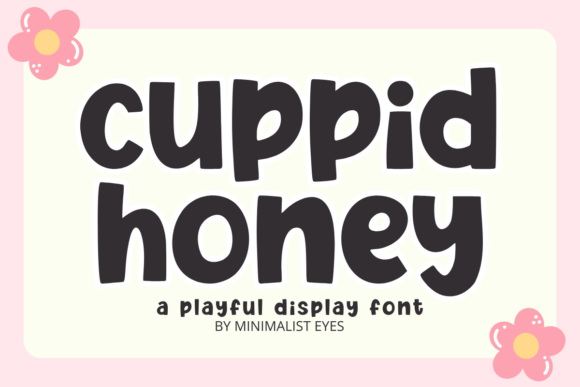
This Fonts typeface is bold, rounded, and full of character — exactly what I was looking for. Its friendly personality gave the project an instant lift. In this review, I’ll walk you through how Cuppid Honey performed across different branding elements in real-world scenarios and why it might be the right choice for your next design project.
Cuppid Honey on a Bakery Logo and Packaging Mockup
I started by placing Cuppid Honey into a logo draft for the bakery. The bold strokes made the name pop, while the rounded shapes softened the overall look, giving it that approachable charm. It wasn’t just a font; it felt like a part of the brand story itself. When I moved to the packaging mockup — from box labels to cup sleeves — the font maintained its warmth even at smaller sizes. It didn’t lose legibility, which surprised me given its playful nature.
The Display category fits perfectly here. Cuppid Honey isn’t meant for long paragraphs, but it shines in short, impactful phrases. Think of a tagline like “Fresh from the Oven” or a product title such as “Cinnamon Bliss.” It adds just the right amount of visual sugar to make the branding memorable.
Cuppid Honey in a Café Visual Refresh Project
A few weeks later, I worked on a café rebrand. The owner had outgrown their old identity and wanted something more modern yet still cozy. I tested several Fonts options, including some trendy script fonts and minimalist sans serifs, but none matched the personality of Cuppid Honey. It brought a sense of joy and playfulness that aligned with the café’s new direction — community-focused and welcoming.
I used it for the menu headers and signage mockups. The result? A vibrant, lively atmosphere translated visually through typography. One thing I noticed was that it works best when paired with a clean, neutral serif font for body text. This balance ensures that the whimsy doesn’t overwhelm the practicality of the design.
Cuppid Honey for Social Media Layouts and Website Headers
When designing social media layouts for the same café project, I found that Cuppid Honey added energy to posts about seasonal specials and events. Whether it was a hero headline for a promotional post or a call-to-action button on Instagram, the font helped create a sense of excitement and urgency.
In web design, I used it for the homepage header and main navigation buttons. It didn’t hold up well in small sizes for submenus or footers, so I switched to a more readable sans serif there. But for headlines and key messaging, it was perfect. The playful display font style really helped the brand stand out in a saturated market where most cafes use generic sans serif typefaces.
Cuppid Honey as a Supporting Typeface in a Skincare Brand Identity
Curious if it could work outside of food-related projects, I tried Cuppid Honey on a skincare brand identity concept. The brand aimed to feel nurturing and natural, using organic ingredients and eco-friendly packaging. I paired it with a soft, modern sans serif for the primary text and used Cuppid Honey sparingly — for product names and subtle accents on the label designs.
It added a nice touch of warmth and personality, especially for product titles like “Honey Glow Serum” and “Sweet Almond Balm.” The font didn’t scream, but it smiled — a gentle reminder of the brand’s mission to care and comfort. However, I wouldn’t recommend using it for technical descriptions or ingredient lists due to its decorative nature. Stick it to headings and highlight text to keep the layout professional yet personable.
Font Pairing Tips with Cuppid Honey
One of the joys of working with a display font like Cuppid Honey is finding the right companion to ground it. Here are a few combinations I’ve found effective:
- Sans Serif Fonts: Clean and modern sans serifs like Helvetica Neue or Montserrat help maintain readability while letting Cuppid Honey take center stage.
- Modern Typography Systems: For digital interfaces, pairing it with a system font like SF Pro or Roboto ensures a seamless transition between screen and print.
- Handwritten Fonts (with caution): If you want to lean into the personal side of the brand, a subtle handwritten font can complement Cuppid Honey — just don’t go overboard.
What You Should Know Before Using Cuppid Honey
While Cuppid Honey is undeniably charming, it’s not a one-size-fits-all solution. Here are some quick observations based on testing:
- Best for short phrases: Use it in logos, taglines, headers, and social captions — not for body copy or dense text blocks.
- Not ideal for formal corporate branding: Its playful tone may clash with traditional or high-end luxury aesthetics.
- Check commercial licensing: Always verify the font license before using it in client work, especially for merchandise, websites, or print-on-demand products. Licensing terms vary and are crucial for avoiding legal issues down the line.
- Test in multiple formats: See how it looks in OTF, TTF, and webfont versions. Some platforms render it differently, so always do a quick test run before finalizing a design.
Cuppid Honey in Action: Real Design Moments
I once designed a brand board for a handmade candle shop and placed Cuppid Honey alongside other Fonts in the display category. The client loved it for the shop sign and gift tags. They were hesitant at first because they worried it would feel too childish, but the boldness and simplicity of the characters gave it a sophisticated edge when used correctly.
Another time, I used it in a poster for a children’s birthday party theme — and it nailed the vibe. The friendly personality of the font made it instantly recognizable and engaging. Parents and kids both responded positively to the visual appeal. It’s clear that Cuppid Honey has a broad emotional range depending on context and usage.
Why I Recommend Cuppid Honey for Creative Studio Work
As a designer who often works with small businesses and creative studios, I appreciate typefaces that bring emotion and energy to the table. Cuppid Honey does that beautifully. It’s a premium font that feels handcrafted but structured enough to remain professional. The included alternates and ligatures offer flexibility, allowing for subtle variations in each project without losing consistency in brand identity.
For those in the craft space — like bloggers, stationery designers, or online shop owners — it’s a versatile creative font that can adapt to different styles. Whether you’re creating greeting cards, editorial spreads, or event posters, it brings a sense of joy that’s hard to replicate with standard typefaces.
Final Thoughts on Cuppid Honey’s Niche and Strengths
After several real-world applications, I’m confident that Cuppid Honey excels in environments where warmth, playfulness, and attention-grabbing visuals matter. It’s not the kind of Fonts you’d see in a law firm brochure or a financial report — but that’s not its purpose. Instead, it’s a display font built for brands that want to connect emotionally and stand out visually.
If you're working on a boutique identity, a cozy café refresh, or anything that needs a touch of sweetness and charm, give Cuppid Honey a try. Test it in a few key spots — maybe a logo draft, a brand board, or a packaging mockup — and you’ll likely understand why it’s become a favorite in my toolkit. Just remember to pair it wisely and keep its strengths in mind: bold, expressive, and inherently joyful.