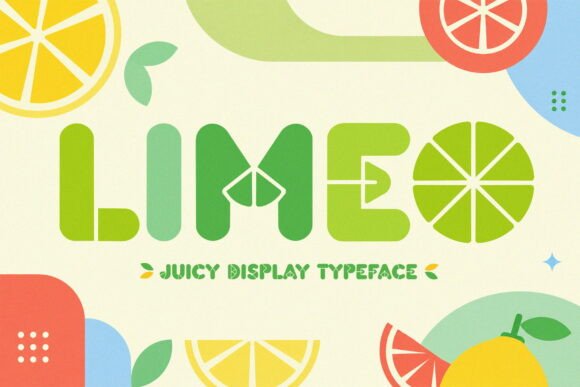
Limeo Font: A Playful Display Typeface for Vibrant Editorial Projects
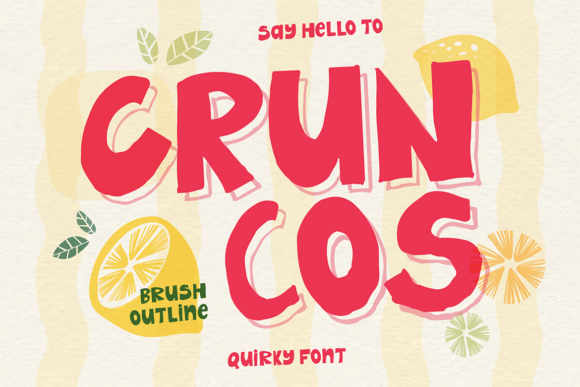
There’s a quiet thrill in the moment when you land on just the right font for your design. I recently found myself deep into the redesign of a lifestyle blog, and after sifting through dozens of options, Limeo — a bold juicy display font — caught my eye. It was as if the letters themselves carried the scent of fresh citrus and the warmth of a tropical summer breeze. Inspired by playful retro packaging design and rounded geometric letterforms with a lemon-inspired cut, Limeo isn’t just a typeface; it’s an experience.
Using Limeo for Recipe Ebooks and Food Blogs
For a recent project involving a seasonal recipe ebook, I needed something that felt both modern and nostalgic. Limeo delivered. Its rounded edges and vibrant presence immediately evoked a sense of fun and freshness, perfectly aligning with the tropical summer vibes described in its concept. When paired with a clean sans serif for body text, it created a visual hierarchy that guided readers effortlessly from cover to cooking instructions.
The juiciness of each character made headlines pop without overwhelming the layout. Even in PDF exports, where some display fonts struggle to maintain their charm, Limeo held up beautifully. The subtle curves and dynamic rhythm of the letters gave every section opener a bit of personality, making the reading experience more engaging and less clinical.
Limeo Brings Retro Charm to Wedding Guides and Invitations
While working on a wedding planning guide, I was drawn to Limeo’s ability to blend elegance with playfulness. It’s not often you find a display font that feels simultaneously youthful and sophisticated, but here it is. The lemon-inspired cut added a touch of whimsy to titles like “Your Tropical Escape” and “Summer Vows,” while the overall shape suggested a handcrafted feel that resonated well with couples seeking a unique identity for their big day.
I used Limeo for pull quotes and decorative accents within the publication, which helped break up dense blocks of text and add visual interest. For digital use in newsletter headers and social media graphics, it performed admirably across mobile devices. Readers didn’t just see the words — they felt them, thanks to the font’s warm, inviting mood.
How Limeo Enhances Lifestyle Blog Headers and Branding
A few weeks ago, I redesigned the header for a wellness-focused lifestyle blog. The client wanted something that stood out but still felt approachable. After testing several premium fonts, Limeo became the clear choice. Its boldness commanded attention, yet the soft geometry kept it from feeling aggressive or uninviting.
One of the standout qualities of this display font is how it supports brand identity. The rounded forms and citrus-inspired flair brought a sense of optimism and energy to the blog’s visuals. As part of a cohesive editorial layout, it worked well with minimalist photography and muted backgrounds, allowing the content to shine while maintaining a strong typographic presence.
Creating Visual Hierarchy with Limeo in Magazine Layouts
In a digital magazine focused on travel and culture, I experimented with using Limeo in chapter openers and feature headlines. The result was a refreshing contrast to the standard sans serif choices commonly seen in such publications. This display font allowed me to craft a visual rhythm that felt natural and lively, encouraging readers to linger on each page.
Its versatility shone when I layered it with supporting subheadings in a lighter weight. The difference in tone between the bold Limeo title and the softer secondary text helped establish clarity and direction. I also appreciated the included alternates and ligatures, which added depth to the design without complicating the layout process.
Designing Newsletter Graphics and Digital Content with Limeo
Newsletters can sometimes fall flat visually, especially when relying too heavily on stock templates. That’s why I reached for Limeo when designing a new header for a weekly wellness newsletter. The font’s retro packaging influence gave the design a vintage aesthetic that stood out in crowded inboxes.
What impressed me most was how it retained readability even at smaller sizes. While primarily intended for display use, I found that certain weights could work effectively for captions and call-out boxes. However, I always paired it with a more neutral typeface for body copy to ensure long-form content remained easy to digest.
- Used Limeo for main headers and featured article titles
- Paired it with a serif font for body text to balance the design
- Tested it on mobile layouts to confirm legibility and impact
Printing and Sharing with Limeo in Printable Planners and Workbooks
When creating printable content, like a self-care planner or a coaching workbook, typography plays a key role in usability. Limeo proved to be an excellent choice for cover designs and section headings. Its geometric precision ensured that it printed cleanly, avoiding the fuzzy edges common with some display fonts.
I especially loved how it responded to different color treatments. On white paper, it had a crisp, professional look. Against watercolor textures or bright gradients, it transformed into something more artistic and eye-catching. This adaptability made it ideal for clients who wanted to offer various print styles in their digital downloads.
Editorial Design Considerations with Limeo Fonts
Choosing the right display font means understanding its limitations as well as its strengths. Limeo is best suited for short bursts of text — think titles, subtitles, pull quotes, and decorative elements. I never used it for extended paragraphs, as its playful nature isn’t optimized for long-form reading.
However, when it came to crafting a digital magazine layout or organizing a course PDF, Limeo added just the right amount of zest. It helped create a mood that felt aligned with the subject matter — whether it was a tropical-themed issue or a summer wellness series. The font supported consistency across platforms, ensuring that the same visual language appeared in both web and print versions of the publication.
Font Pairing Tips for a Balanced Editorial Design
To make the most of Limeo in editorial projects, consider pairing it with a readable serif font like Merriweather or Georgia for body copy. These combinations allow the display font to take center stage while keeping the rest of the content grounded and accessible.
Alternatively, a clean sans serif like Open Sans or Lato works well for navigation bars, captions, and footnotes. This helps maintain a modern feel while leveraging the retro charm of Limeo for more prominent typographic elements. Always test these pairings in real layouts before finalizing your design to ensure harmony and legibility.
Why Limeo Stands Out in Creative Typography and Content Branding
As someone who regularly works with fonts in editorial design, I’m always looking for something that adds character without sacrificing function. Limeo checks all the boxes. Its inspiration from fresh citrus slices gives it a unique edge over generic display fonts, and the retro packaging influence adds a nostalgic touch that appeals to a broad audience.
It’s the kind of creative font that helps you stand out in a sea of sameness. Whether you’re building a digital magazine layout or setting up a newsletter graphic, Limeo brings a sense of joy and individuality to your content. And because it comes in multiple file formats and includes commercial font licensing details, it’s safe to use in everything from paid newsletters to client-based projects.
Exploring Multilingual Support and File Formats
Before integrating Limeo into any global-facing content, I always check the multilingual support. Fortunately, it covers a wide range of languages, making it suitable for international audiences. The font also offers OTF and TTF file formats, which are essential for designers who need flexibility in different applications.
For web designers, there are WOFF files available to ensure fast loading times and compatibility across browsers. This makes Limeo a solid choice for those building websites or interactive digital products where performance matters just as much as aesthetics.
Bringing Limeo into Your Next Project
If you’re involved in editorial design, content branding, or digital product creation, you’ll want to explore what Limeo can bring to your workflow. From blog headers to wedding guides, this display font has the versatility and charm to enhance a variety of publishing needs. Just remember to keep it purposeful — use it where it can shine, and let other fonts handle the heavy lifting in body text and navigation.
So, next time you’re choosing a typeface for your latest project, consider how a bold, juicy display font might elevate your design. With its roots in tropical summer moods and retro packaging inspiration, Limeo doesn’t just fit — it enhances. Let it guide your visual storytelling, and watch your content come alive with a little extra zing.