Background Story Font: A Heartfelt Typeface for Editorial Design
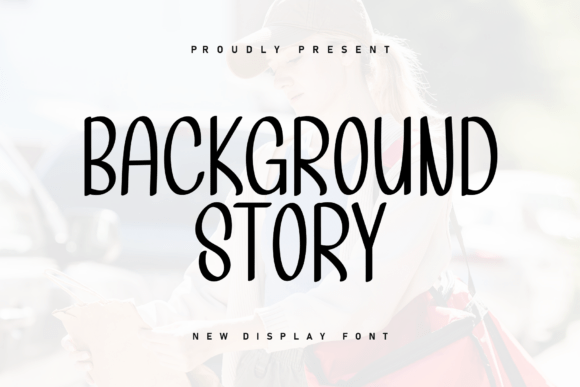
I recently found myself redesigning the header section of a lifestyle blog I’ve been working on — one that blends curated content with personal storytelling. As I sifted through font options, I stumbled upon Background Story, a display font that immediately caught my eye with its warmth and authenticity. It wasn’t just another decorative typeface; it felt like the kind of handwritten font you’d expect to see in an artisanal coffee shop menu or a beautifully bound journal. The smooth strokes and organic lines exuded a relaxed atmosphere, perfectly aligned with the blog’s mission to create a cozy reading experience.
Background Story for Wedding Guides and Personalized Printables
In the world of editorial design, there are few fonts as evocative as Background Story when it comes to wedding guides or printable invitations. This is a display font that doesn’t shout but whispers with elegance. Its script-like structure brings a sense of heartfelt perfection to every word, making it ideal for crafting soft, romantic headers or chapter titles in digital magazines focused on weddings. I used it in a recent project for a handcrafted wedding planner template, and it added a layer of intimacy that no standard typeface could replicate.
Why Handwritten Fonts Like Background Story Work Well in Printables
Printable guides, whether they’re for planning a destination wedding or organizing a vow renewal, often benefit from a human touch. That’s where Background Story shines. The font’s natural flow mimics real handwriting without sacrificing legibility, which is crucial for readability in long-form printables. It also includes a range of alternates and ligatures, allowing for subtle variations that keep the design fresh while maintaining consistency across pages.
Using Background Story in Recipe Ebooks and Lifestyle Content
When I began designing a recipe ebook for a wellness brand, I needed something that balanced charm with clarity. While many handwritten fonts struggle with readability in body text, Background Story was chosen specifically for its use in article titles and pull quotes. The font adds a personal, approachable feel to each section, encouraging readers to slow down and savor the content. In this case, it helped reinforce the brand’s identity as warm, trustworthy, and creative.
For the main title of the ebook, I paired Background Story with a clean sans serif font for the subtitle and ingredient lists. This combination allowed the display font to stand out without overwhelming the reader. The contrast between the two styles made navigation easier and gave the layout a more modern typography feel, even though the core aesthetic remained grounded and inviting.
A Soft Script for Chapter Openers and Blog Headers
One of the most effective uses of Background Story has been in chapter openers. Whether it’s a digital magazine layout or a blog post series about mindfulness, the font sets the tone gently. I’ve seen how it helps guide the reader into a new section with grace, almost like a literary prologue written in cursive. It’s especially powerful in editorial layouts where the goal is to evoke emotion and connection rather than pure information delivery.
As a blogger, I appreciate how Background Story can be adapted for different screen sizes. On mobile devices, the font remains legible and expressive, which is essential for maintaining the intended mood. For larger formats like PDFs or web banners, it adds a level of sophistication that elevates the entire publication.
Background Story in Coaching Workbooks and Digital Magazines
Coaching workbooks and digital magazines often require a balance between professionalism and personality. Background Story fits right into that space by offering a handwritten font that feels both structured and soulful. I’ve used it in a client’s coaching course PDFs to highlight key questions and prompts, giving the materials a personal yet polished look.
What makes this font so versatile is its ability to blend seamlessly into various editorial contexts. It works well for newsletter headers, too. In a recent redesign of a weekly wellness newsletter, the team wanted to move away from sterile, corporate fonts. By introducing Background Story into the header and pull quotes, we achieved a visual rhythm that matched the calm, reflective nature of the content.
Multilingual Support and Commercial Licensing Considerations
Before finalizing any font for commercial projects, I always check its multilingual support and licensing terms. Background Story includes comprehensive language coverage, making it suitable for international publications or brands targeting diverse audiences. If you're creating a digital product meant for broader reach — think a printable planner or a social media graphic — this is a detail worth verifying.
Also, make sure the font license allows for use in your specific platform. Many creators overlook this when using display fonts in paid newsletters, course downloads, or branded templates. With Background Story, I confirmed it supports commercial usage across web and print, including PDF exports and digital assets. That peace of mind is invaluable when building design systems for clients or your own publishing ventures.
How to Pair Background Story with Other Fonts
Font pairing is an art, especially when working with display fonts like Background Story. To maintain readability, I recommend using it alongside a readable serif or sans serif font. For instance, if your blog header features Background Story, follow it with a classic serif for subheadings and body copy. This creates a visual hierarchy that’s easy on the eyes while preserving the font’s emotional appeal.
I’ve also experimented with using Background Story in combination with minimalist sans serifs in logo design and branding materials. The contrast highlights the unique character of the display font while keeping supporting text clear and professional. Just avoid using it in dense paragraphs — it’s not built for long-form reading but excels in short bursts of impactful text.
Readability on Screen and in Print
While Background Story is a decorative display font, it holds up surprisingly well on screens when used in headlines or section titles. Its organic lines are crisp at larger sizes, ensuring that it remains legible across devices. However, for smaller captions or website menus, it’s best to switch to a more functional font. When exporting to print, such as for a wedding guide or a lifestyle magazine, the font retains its charm thanks to its thoughtful spacing and stroke variation.
This is why I consider it a premium font choice for editorial designers who want to maintain a consistent brand identity across platforms. From digital newsletters to physical magazines, Background Story adapts gracefully, adding a touch of handwritten authenticity that resonates with readers.
Creating a Brand Identity with Background Story
Editorial design isn’t just about aesthetics — it’s about communication. Choosing the right typeface can significantly influence how your audience perceives your content. Background Story has become a favorite among indie authors and small publishers looking to infuse their materials with a more personal tone. Its relaxed vibe aligns well with niche markets like wellness, travel, and personal development.
One of the reasons I keep returning to Background Story is its role in content branding. It’s not overpowering, but it carries enough weight to become a signature element in your design assets. Think of it as the voice of your publication — gentle, confident, and memorable. Whether you're setting up a new blog header or crafting a course PDF, the font adds depth and intentionality to your layout.
Real-World Application in Magazine Layouts and Newsletter Graphics
Let me give you a quick example from a recent editorial feature page I designed for a food and culture magazine. The issue centered around home cooking traditions passed down through generations. We used Background Story in the cover title, and then again in pull quotes throughout the magazine. It didn’t just serve as a decorative accent — it became part of the story itself, connecting the reader to the content on a deeper level.
Another practical use was in a newsletter graphic for a sustainable living brand. The headline featured Background Story in a bold, elegant form, while the supporting text used a clean, neutral sans serif. The result was a design that felt intentional and immersive, guiding the reader through the message with ease.
Designing with Purpose: When to Use Background Story
Not every project needs a handwritten font, but when you do, Background Story is a standout option. It’s particularly suited for:
- Wedding invitations and guides
- Recipe ebooks and wellness content
- Chapter openers and pull quotes in digital magazines
- Newsletter headers and blog post titles
- Printable planners and coaching workbooks
- Brand identity elements for lifestyle and editorial content
It’s less appropriate for body text or data-heavy reports, but when used thoughtfully, it can transform a design from generic to memorable. I’ve noticed that it performs especially well in environments where the goal is to build trust and connection — which is exactly what many content creators aim for in their publishing efforts.
File Formats and Weight Options
When evaluating fonts for production, I always look at the file formats and weight options included. Background Story typically offers OTF and TTF files, which are reliable for both digital and print workflows. Some versions might include additional weights or stylistic alternates, so it’s worth checking the full package before committing to a purchase.
Having access to multiple weights allows for more nuanced typographic control. You can use the lighter version for subtitles and the bolder one for headlines, ensuring a cohesive visual system. This flexibility is especially helpful in editorial design, where consistency across sections matters just as much as individual style.
Conclusionless Reflection: A Thoughtful Font Choice
Working with Background Story has reminded me that font choice is never just about looks — it’s about how those visuals contribute to the overall experience. This display font does more than impress; it invites the reader in. Its smooth strokes and heartfelt feel make it perfect for content that aims to be more than just read — it wants to be felt.
If you're involved in editorial design, whether for blogs, newsletters, or printables, I encourage you to try Background Story in your next project. Let it speak for itself in your headers, titles, and chapter openers. And remember, always pair it with a solid, readable font to ensure your message stays clear and your design stays beautiful.