Buhun Retro Trio Font for Vintage-Inspired Campaigns
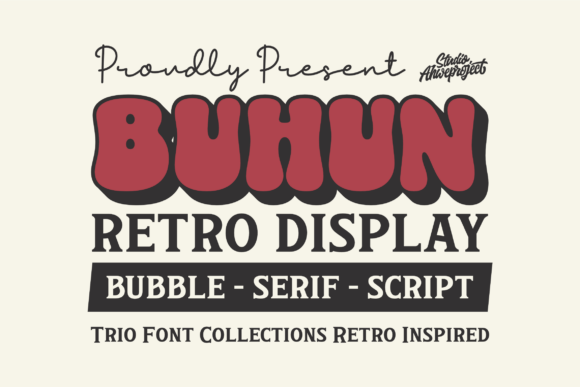
It was 8:30 AM on a Monday, and I had just received the brief for a new product launch — an online course titled “Design Through Time.” The goal was to create a visual identity that felt nostalgic but still fresh enough for modern audiences. As I flipped through my font library, I landed on Buhun Retro Trio, a display font that immediately caught my eye with its bold, thick strokes and unmistakable 70s groove. This isn’t just another retro font; it’s a trio collection that brings vintage cool into today’s digital campaigns with finesse.
Using Buhun Retro Trio in Product Teasers for Social Media
The first use case I tried was a teaser post for Instagram and Facebook. The client wanted something attention-grabbing without being over the top. Buhun Retro Trio delivered perfectly. Its funky, groovy energy aligns well with creative courses and design communities looking to stand out in fast-scrolling feeds. I used it for the headline — “Unlock the Groove of Design” — and layered it over a faded background texture. The result? A sense of authenticity and timelessness that resonated with the target audience.
Because this is a display font, it shines when used in short bursts. For teasers, it works best as a headline or callout. Just be careful not to stretch the characters too thin on mobile screens — keep your text large and legible. The three included styles gave me flexibility to alternate between bold, playful, and slightly more refined versions of the typeface, depending on the message.
Buhun Retro Trio in YouTube Thumbnail Design
A few days later, I needed to build a set of thumbnails for a YouTube channel focused on retro aesthetics and DIY design. The creator wanted a consistent look across all videos, so I chose Buhun Retro Trio as the primary title font. It added a touch of nostalgia while keeping the visuals from feeling outdated.
I paired the font with a clean sans serif body text for contrast and clarity. This font pairing strategy is essential when using any display font — you don’t want the supporting text to compete. On Pinterest and YouTube, where users often skim at a glance, the thickness and contrast of Buhun Retro Trio helped it pop against both dark and light backgrounds. But again, it’s important to limit its usage to headlines and titles only. Dense paragraphs would lose readability and dilute the impact.
Applying Buhun Retro Trio in Brand Campaign Templates
In another project, I was designing a set of promotional assets for a boutique selling handmade goods inspired by the 60s and 70s. They needed everything from email banners to website headers, and Buhun Retro Trio became the cornerstone of their brand identity. Used in logo-style text and campaign labels, it gave the brand a unique personality — one that stood out from the usual minimalist trends.
- Email banners: I used the boldest weight for subject line overlays, ensuring they were visible even on small mobile previews.
- Website headers: The font worked well as a hero headline, especially when paired with subtle drop shadows and gradients.
- Pinterest pins: Its high contrast made it ideal for overlay text, especially when combined with warm sepia tones or muted pastels.
One thing I noticed right away was how versatile the Fonts in the trio are. Each has distinct character quirks, which means you can rotate them in different templates to avoid repetition. Still, because these are display fonts, I always double-checked the licensing terms before embedding them into commercial templates or merch designs. You wouldn’t want to risk a legal hiccup on a campaign rollout.
Testing Buhun Retro Trio in Instagram Content Series
For an Instagram content series promoting a seasonal sale, I experimented with using Buhun Retro Trio in carousel posts and Stories. The challenge was balancing retro charm with the platform’s need for quick comprehension. I found that the font performed best in short, punchy phrases like “Sale Alert” or “Flashback Friday.” These kinds of Display text elements helped establish a theme while staying within the constraints of mobile-first design.
I also used the font in reels covers to reinforce the campaign’s vibe. Since reels autoplay and viewers have seconds to decide whether to watch, the font’s bold presence was a big plus. However, I avoided using it in longer captions or subtitles. Instead, I reserved it for decorative titles and key messaging points. This approach maintained the retro feel without compromising the user experience.
When Not to Use Buhun Retro Trio in Your Marketing
While Buhun Retro Trio is a strong choice for creative branding and social media, it’s not the go-to for every situation. In one instance, I mistakenly applied it to a landing page section that required a lot of body copy. The outcome wasn’t great — the intricate details and uneven stroke weights made reading difficult. Display fonts like this are meant to command attention, not convey long-form information.
If your campaign includes anything like product descriptions, testimonials, or FAQ sections, consider using a secondary font for those parts. Buhun Retro Trio is best suited for headlines, buttons, logos, and other visual anchor points. Also, if your brand voice is formal or corporate, this might not be the right fit. It’s more expressive than professional, and that’s exactly why it works so well in lifestyle, creative, and entertainment niches.
Font Pairing Tips for Buhun Retro Trio
To maximize the effectiveness of Buhun Retro Trio, I recommend pairing it with a complementary typography system. For a balanced yet stylish look, try matching it with a clean sans serif like Montserrat or Lato. This combination gives you the best of both worlds — the vintage flair of the Fonts and the readability of a modern base.
If you’re going full retro, a classic serif such as Playfair Display or Merriweather can add depth and sophistication. Alternatively, for a softer, handcrafted feel, a script or handwritten font like Allura or Pacifico can work well as accents. But remember, the key is to let Buhun Retro Trio take center stage. It’s a showstopper — treat it like a feature font rather than a support act.
Readability and Visual Hierarchy in Fast-Scrolling Feeds
When optimizing for platforms like TikTok, Instagram, or Facebook, readability is non-negotiable. Buhun Retro Trio does well in larger sizes, especially when placed strategically in the top third of an image. Its thick strokes make it highly legible even in low-resolution thumbnails, which is crucial for visibility in crowded feeds.
On dark backgrounds, I found that adding a soft white or cream outline enhanced its visibility without losing the vintage aesthetic. For light backgrounds, I kept the color palette rich — deep reds, navy blues, and mustard yellows really brought out the font’s character. The takeaway? Buhun Retro Trio thrives in environments where it can be the focal point. Use it wisely in your editorial design, web banners, or packaging mockups to maintain that retro edge.
Final Practical Takeaway for Marketers
If you’re looking to inject some personality into your next campaign, Buhun Retro Trio is worth a test run. It’s not just about style — it’s about communication. The right typeface can tell a story before a word is read. And in the world of digital marketing, first impressions matter. This font communicates creativity, confidence, and a dash of fun — perfect for brands targeting Gen Z and millennials who appreciate authentic, throwback vibes.
Before finalizing your ad sets or template packs, always verify what file formats are available, check multilingual support, and confirm commercial font permissions. These small steps prevent major headaches down the road, especially when scaling your campaign across multiple regions or languages.
So next time you’re designing a campaign around a nostalgic theme or simply want to break the monotony of standard typography, give Buhun Retro Trio a try. It’s a premium font with a clear purpose — to bring retro cool into the present in a way that feels intentional, not forced.